Policy Codesign for K-12 School Behavioral Health
Progress Report | May - July 2026
Published July 29, 2026
“We need youth voices who are farthest out on the margins, farthest from justice, centered in this work.”

This policy codesign process is part of the implementation of first initiatives tied to the Washington Thriving statewide strategic plan for equitable behavioral health for children, youth, and young adults.
In alignment with House Bill 1634, Washington Thriving and the Washington Office of Superintendent of Public Instruction (OSPI) are partnering with CoLab for Community and Behavioral Health Policy to codesign a statewide training and technical assistance framework for K–12 schools to support student behavioral health, alongside partners in the broader health system.
Through an iterative codesign process, educators, students, families, behavioral health professionals, community organizations, Tribal partners, and state agencies are working together to develop recommendations for strengthening state and regional systems to better support schools in meeting the evolving behavioral health needs of students, families, educators, and communities.
This report highlights progress made since our first update and shares what’s emerging as the work continues.
Where We Are
The active codesign phase of this project concluded in June, marking the completion of months of collaborative engagement across Washington.
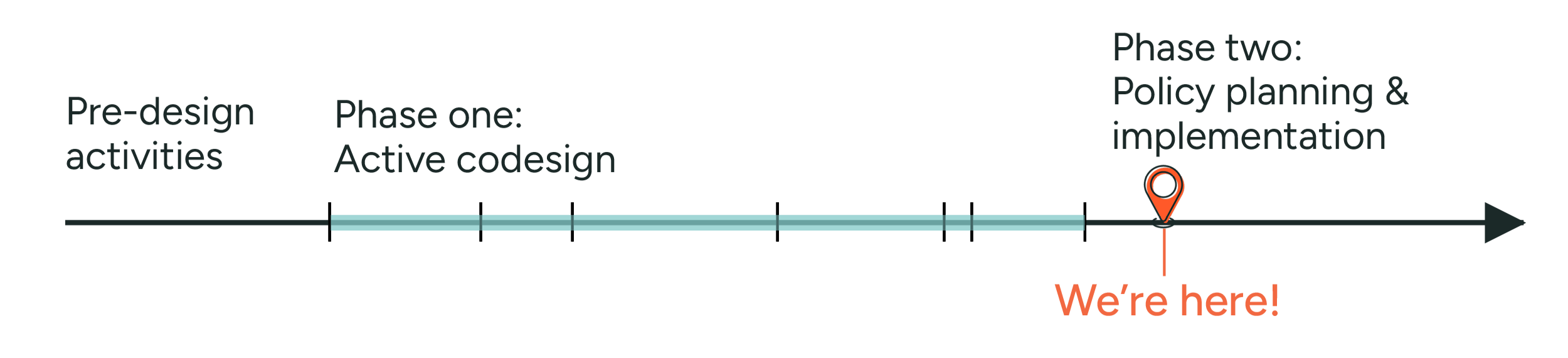
The project has now entered Phase 2: Policy Planning & Early Implementation. Over the coming months, the project team will translate the insights and recommendations developed through codesign into a comprehensive policy framework. In partnership with OSPI and the Educational Service Districts (ESDs), this work will help lay the foundation for future implementation.
What’s Happened So Far
The Core Design Team developed the first draft of a statewide K–12 School Behavioral Health Training and Technical Assistance Framework grounded in research, lived experience, and community input.
Youth, caregivers, advisors, and more than 400 Washington residents helped refine the framework through workshops, advisory discussions, and the first statewide Community Sounding Board activity.
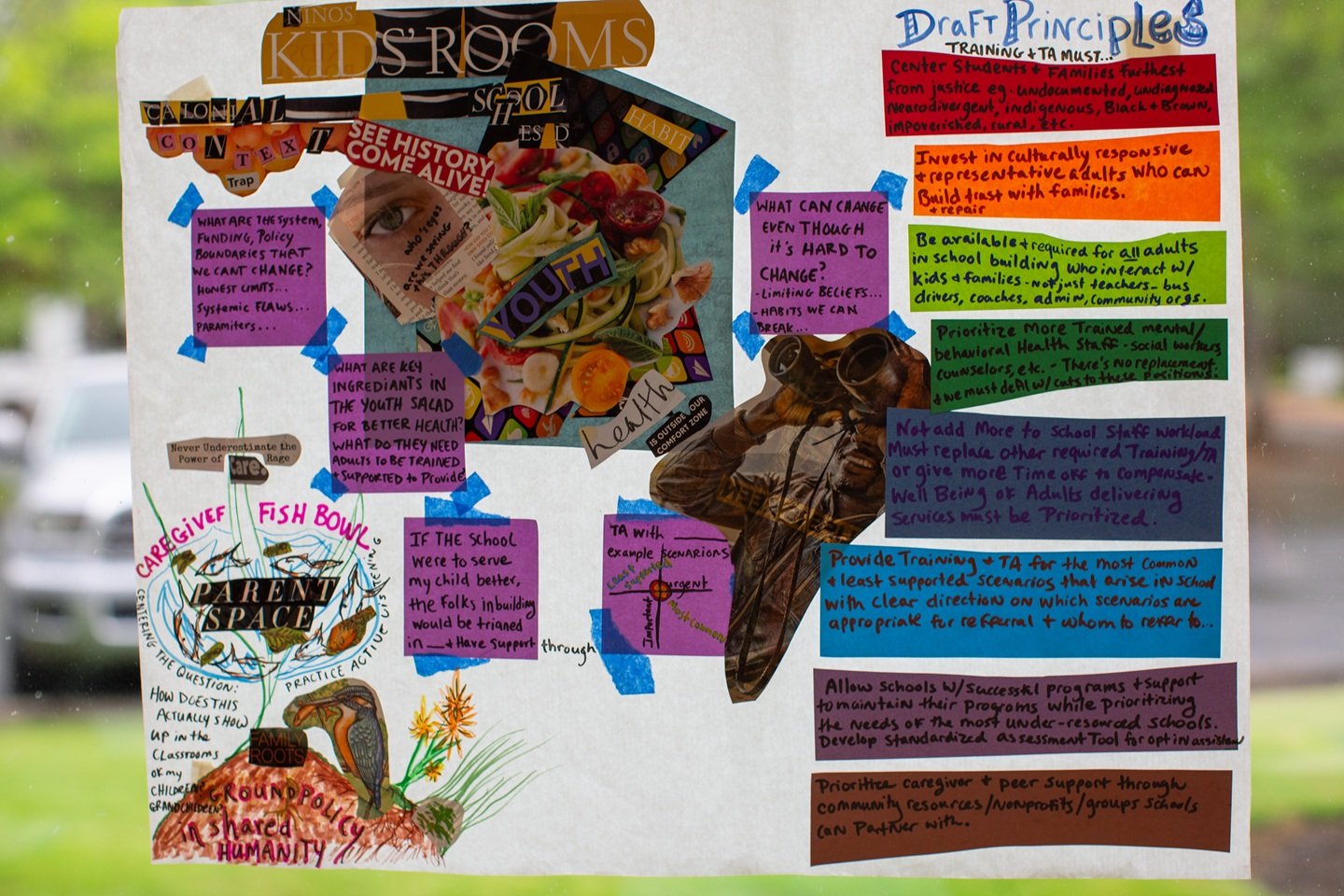
Eight guiding policy principles emerged to shape recommendations around equity, belonging, culturally responsive supports, staff wellbeing, and strong school-family-community partnerships. These principles are being used to inform the K–12 School Behavioral Health Training and Technical Assistance Framework that is currently under development.
The project has entered Phase 2: Policy Planning & Early Implementation, where the draft framework will continue to be refined through statewide engagement before implementation planning begins.
Core Design Team
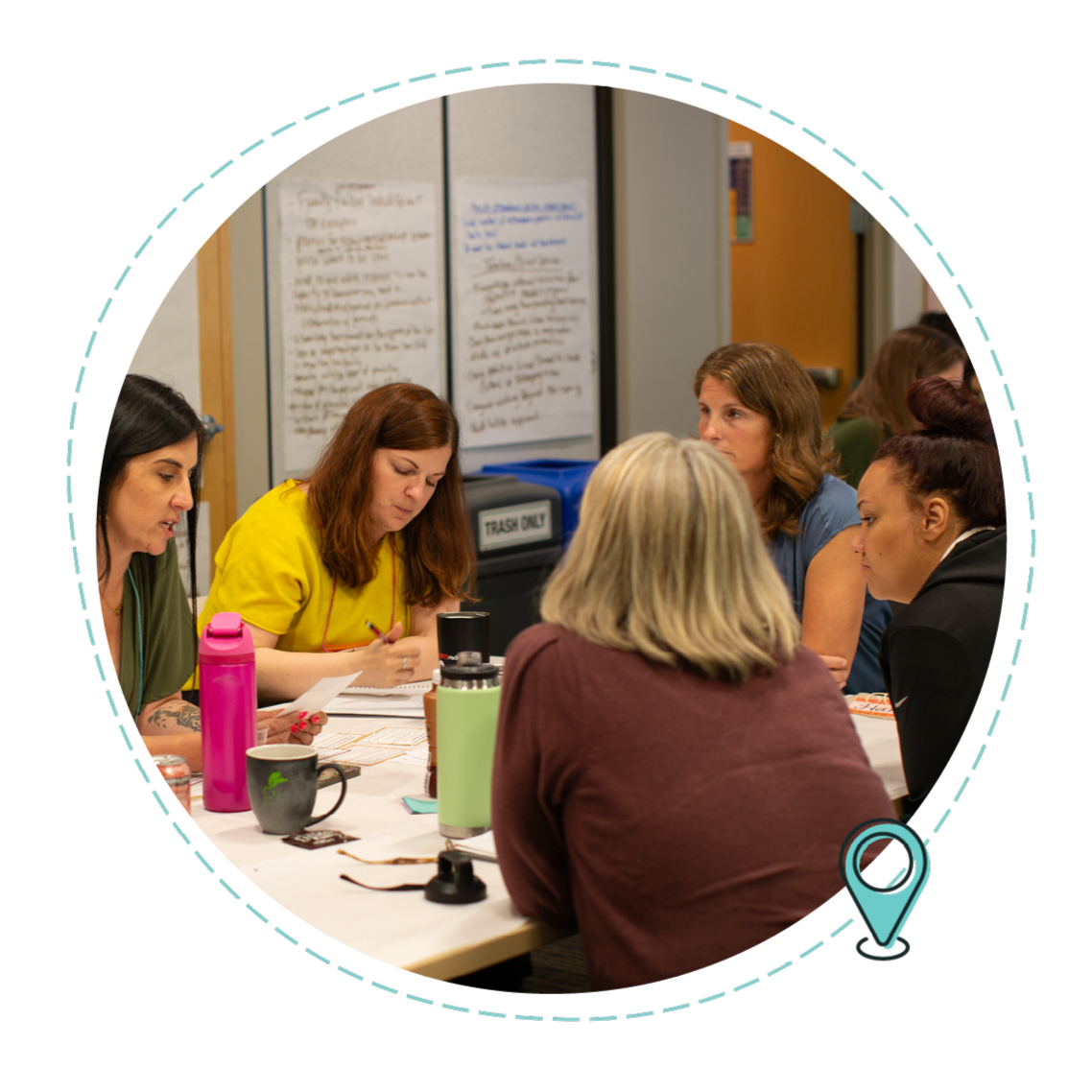
Since our last update, the Core Design Team has moved from exploring key design challenges to developing the first draft of a K–12 School Behavioral Health Training and Technical Assistance Framework. Across Workshops 2 through 6, members examined research evidence, promising practices, policy tradeoffs, and examples of local and national behavioral health and technical assistance models.
Throughout the process, the team remained grounded in a shared commitment to improving outcomes for all young people—especially those with multiple marginalized identities and those furthest from educational justice. During Workshops 5 and 6, members integrated recommendations from Youth Voice and Caregiver Voice engagements alongside feedback from the Advisory Team and more than 400 Washington residents who participated in the statewide Community Sounding Board.
Together, these conversations led to eight guiding policy principles centered on equity; belonging; culturally responsive supports; strong partnerships among schools, families, and communities; staff wellbeing; transparent decision-making; and continuous improvement. These principles became the foundation for the team’s first prototype of the statewide proposal, marking an important milestone in the codesign process.
“Consistency and transparency in school mental health services is crucial - I should understand what the system does and the system should do so consistently.”
Advisory Team
The Advisory Team convened for its first meeting in May, bringing together additional perspectives from across Washington to help inform the policy codesign process. Members explored the same key policy tradeoffs being considered by the Core Design Team, helping test, refine, and strengthen the emerging recommendations.
A central theme from the discussion was that a truly equitable statewide framework must remain responsive to the unique needs of individual students and families. These recommendations were incorporated into the Core Design Team’s ongoing work and helped shape both the guiding policy principles and the emerging proposal.

Youth Voice
The Youth Voice team has synthesized input from two youth workshops into clear and actionable themes. Young people consistently called for earlier supportive responses instead of punishment; more individualized approaches that meet students where they are; and school environments where students feel safe, included, and believed. They also emphasized the importance of trust. Students need to understand privacy and confidentiality practices and know that trusted adults will respond with empathy when they ask for help.
On June 2nd, youth leads Sara Kahn (Justice for Girls Coalition) and Kenneth Garcia (Washington Youth Alliance) presented these recommendations to the full Core Design Team, ensuring that the voices of young people remained central as the group developed the emerging policy framework.
Youth engagement will continue throughout the next phase of the project. Sara and Kenneth, along with additional young people from across Washington, will have opportunities to review the proposal and help ensure the final recommendations reflect the priorities shared by youth.
“We need urgency in this work, even as systems work is time-consuming and relationship-driven.”
Caregiver Voice
We continue to partner closely with Washington State Community Connectors (WSCC) to engage parents and caregivers throughout the project. Building on earlier engagement activities, caregiver liaison Shayla Collins participated in a follow-up session to the Washington Statewide Family Network Children and Youth Behavioral Health Summit, where families continued sharing insights about their experiences navigating behavioral health, education, and support systems.
Across these conversations, caregivers consistently emphasized the need for stronger communication and coordination across services, greater transparency and partnership with schools, and more support for families during transitions and times of crisis. They also highlighted the importance of parent peer support, noting that some of the most meaningful guidance, advocacy, and hope comes from connecting with other families who have shared lived experience.
These observations have been incorporated into the Core Design Team process as recommendations continue to take shape. The project team will also present the proposed framework at the upcoming Family Youth System Partner Round Table (FYSPRT) meeting to gather additional family and caregiver feedback before recommendations are finalized.
Community Sounding Board
A total of 429 Washington residents participated in our first Community Sounding Board activity (combined English language and Spanish language surveys), sharing perspectives on key questions shaping the future of K–12 behavioral health. Responses reflected a wide range of experiences, with participants representing education, families, behavioral health, advocacy organizations, government, and community partners.
Feedback from the Community Sounding Board was synthesized and shared with the Core Design Team, and informed discussions and the development of the emerging policy framework. Read the synthesis of findings, key themes, and synthesis of Spanish language responses (Spanish survey synthesis in English, Spanish survey synthesis in Spanish/síntesis de la encuesta en español) from Community Sounding Board activity #1.
As the framework continues to take shape, we will soon be launching our second Community Sounding Board activity to gather feedback on the project’s emerging recommendations. The survey will be available in English and Spanish, and a version for youth will also be available. We hope you’ll participate!
What Comes Next
The project has reached an important milestone with the development of the first complete draft of the statewide K–12 School Behavioral Health Training and Technical Assistance Framework. Over the coming months, the draft will continue to be refined through feedback from the Core Design Team, Youth Voice, caregivers, educators, community members, and subject matter experts to ensure it reflects the diverse needs of students, families, schools, and communities across Washington.
This next round of engagement includes a second Community Sounding Board activity, designed to gather broad public feedback on the current proposal and its priorities. Additional opportunities for input will include youth-focused engagement, Spanish-language outreach, discussions with the Statewide Family Youth System Partner Round Table (FYSPRT) group, and continued review by the Advisory Team and the School-based Behavioral Health and Suicide Prevention (SBBHSP) Subcommittee of the Children and Youth Behavioral Health Work Group (CYBHWG).
The Core Design Team will reconvene in August to continue making refinements and moving this process forward. This fall, the framework will be finalized and the project will transition to implementation planning.
Core Partners
Project Collaborators
Contact
Questions about this policy codesign process? Contact Kate Cunningham at kateac@uw.edu.